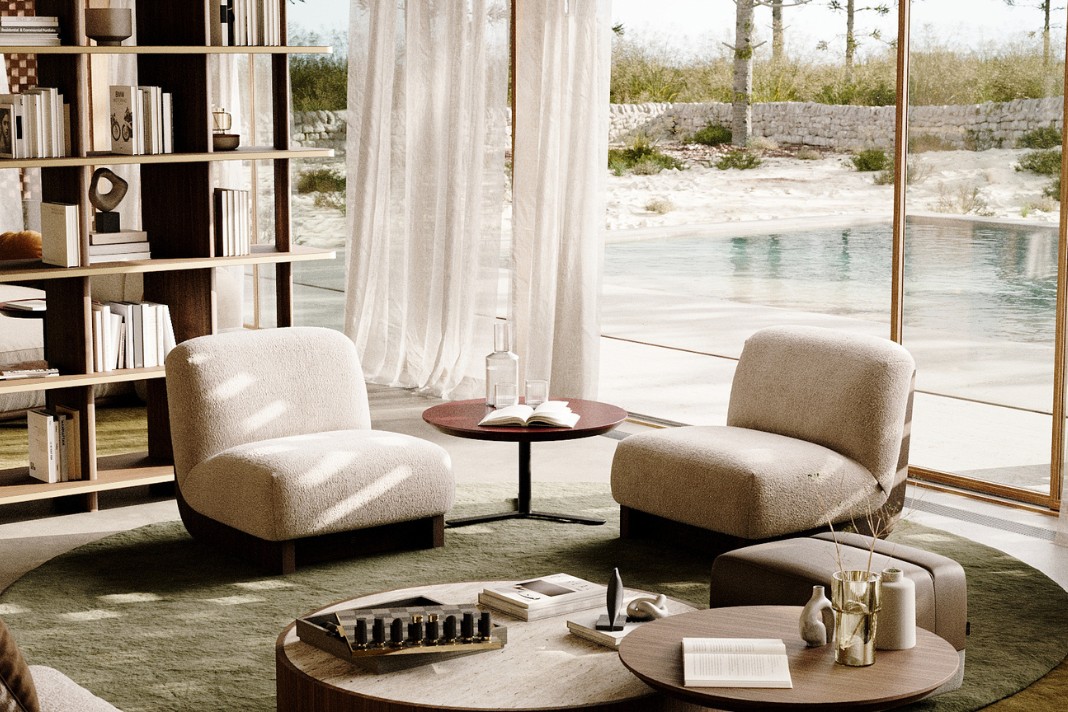
Have you ever delivered a project that looked flawless on paper, only to feel something was slightly off once the furniture arrived? The problem rarely lies in the concept. More often than not, it lies in the details of execution: choices that seem minor during the specification phase but define the final result.
For professionals working on demanding projects, furniture is where vision meets reality. And it is precisely where the most costly and avoidable mistakes tend to happen.
Here are the four most common furniture mistakes in interior design projects and how to avoid them from the start.
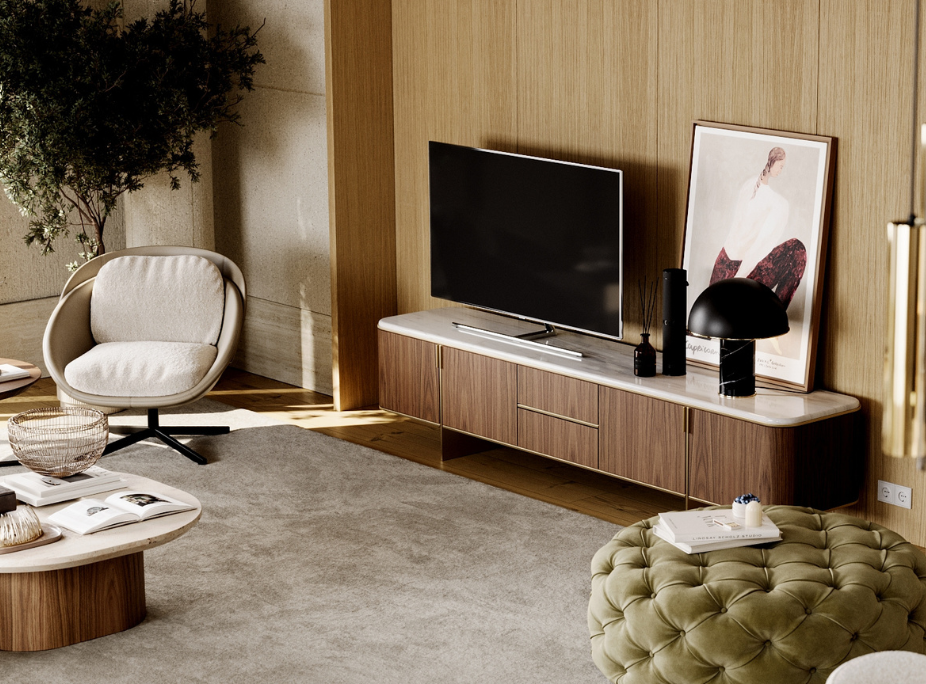
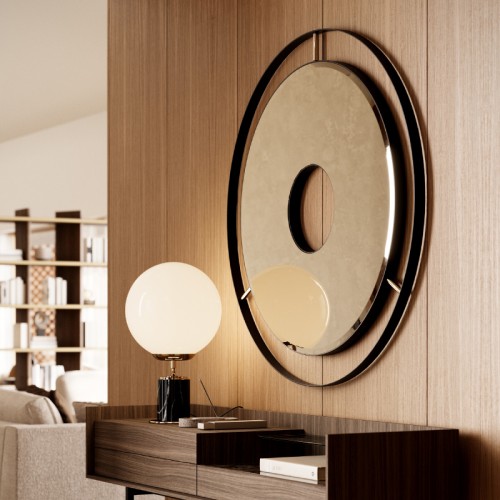
A well-resolved living room is the result of precise decisions made long before installation. From the proportions of each piece to the coherence between materials and finishes, every choice matters.
1. Getting Scale and Proportion Wrong
Scale and proportion are amongst the most fundamental principles in interior design, and yet they remain the most frequently misjudged. The difference between a space that feels coherent and one that simply feels off often comes down to this.
Scale refers to how a piece of furniture relates to the room itself, while proportion refers to how pieces relate to each other. Both must work in harmony. When they don't, the result is a space that reads as “off” without the client being able to explain exactly why.
How to avoid it: Always work from accurate floor plans and verify dimensions in context. Consider ceiling height, circulation paths, and how the eye travels across the room. When sourcing furniture and upholstery for a project, always request technical drawings and confirmed dimensions before finalising the specification
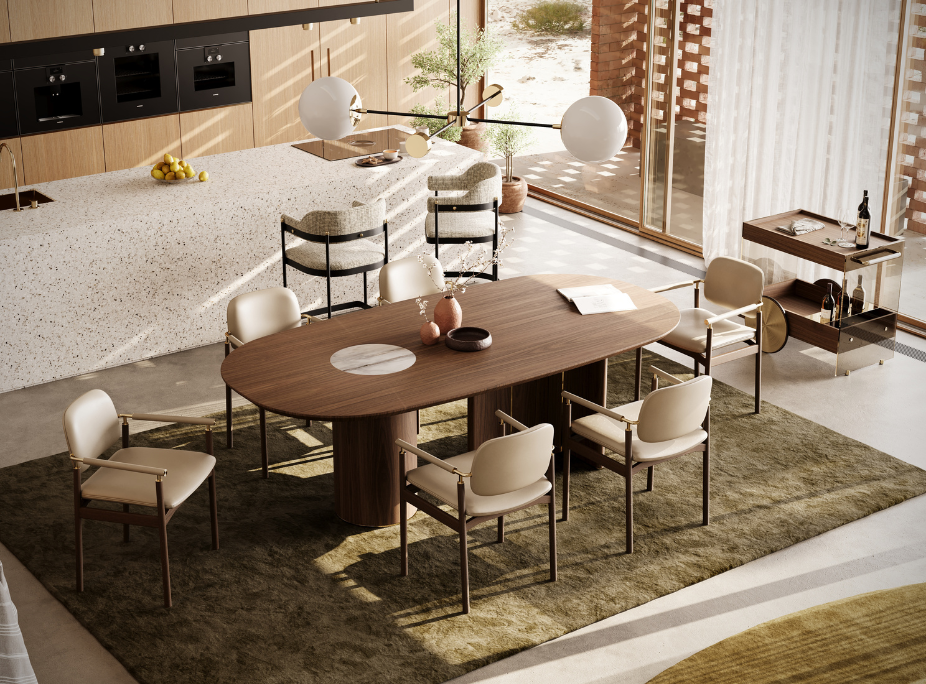
Scale and proportion become especially critical in open-plan spaces, where furniture must be able to properly define each area.
2. Prioritising Aesthetics Over Function
A piece that photographs beautifully but fails in daily use is not a design success. This mistake tends to surface only after installation, when it is too late to change course without cost.
The issue is particularly acute with upholstery. Selecting a fabric based on appearance alone, without considering the demands of the space, leads to accelerated wear and dissatisfied clients. A velvet armchair may be the right choice for a private study, but maybe not in a high-traffic hospitality setting.
How to avoid it: Define the space's use profile before any material selection. Who will use it, how often, and under what conditions? For high-traffic areas, prioritise performance fabrics with durable weaves and high rub counts. The best furniture decisions are the ones where form and function arrive at the same answer.
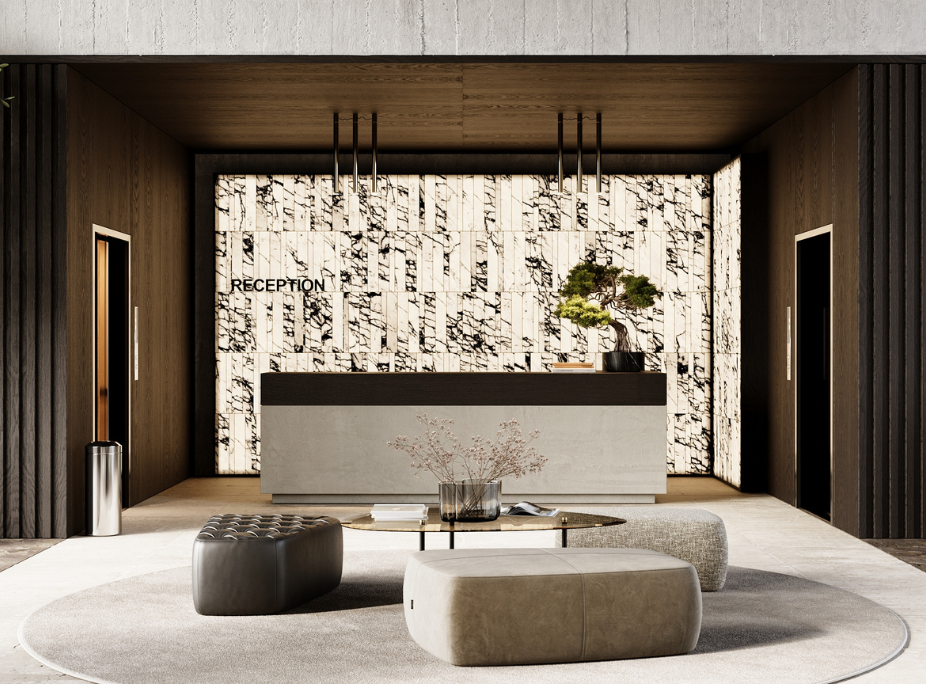
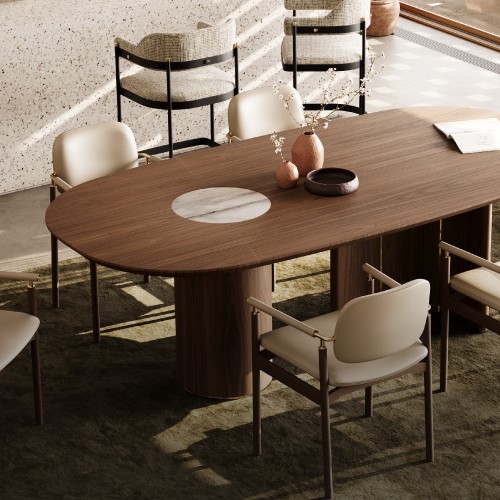
A hospitality lobby is one of the most demanding contexts for furniture specification. The pieces chosen here need to perform under intense daily use while maintaining visual coherence with the overall design concept.
3. Underestimating Lead Times
Lead times are one of the most disruptive variables in any interior design project, and they are consistently underestimated. Even standard catalogue pieces from quality manufacturers typically require several weeks from order to delivery. Custom or bespoke configurations can extend well beyond that.
A single delayed piece can hold up an entire installation phase and put unnecessary strain on a client relationship that took time to build.
How to avoid it: Order early and build procurement buffers into the timeline from the start. For customised pieces, engage with the manufacturer at the design development stage. Working with a partner that offers full customisation and clear production timelines reduces uncertainty significantly and ensures the final piece matches the specification precisely.
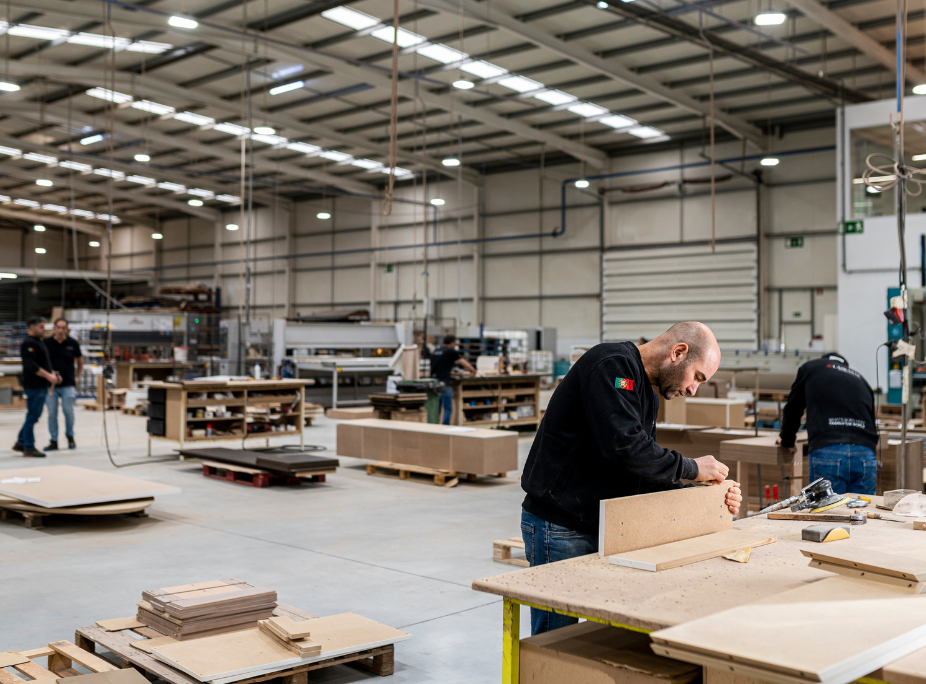
Every Laskasas piece is produced in Portugal, where each stage of manufacturing is handled with technical precision and attention to detail.
4. Mixing Finishes Without a Defining Concept
Finish incoherence is a subtler mistake than scale or function, but it is equally damaging to the overall result. It tends to appear gradually, until the space reads as a collection of individual pieces rather than a cohesive project.
The goal is not to match everything. Contrast is valid and often desirable. The issue arises when there is no intentional thread connecting the material choices.
How to avoid it: Establish a defined material palette at the start of the project and reference it consistently throughout. Test samples together under the actual lighting conditions of the space, as finishes behave differently under natural and artificial light. Explore our Materials and Finishes catalogue to find combinations developed with this coherence in mind.
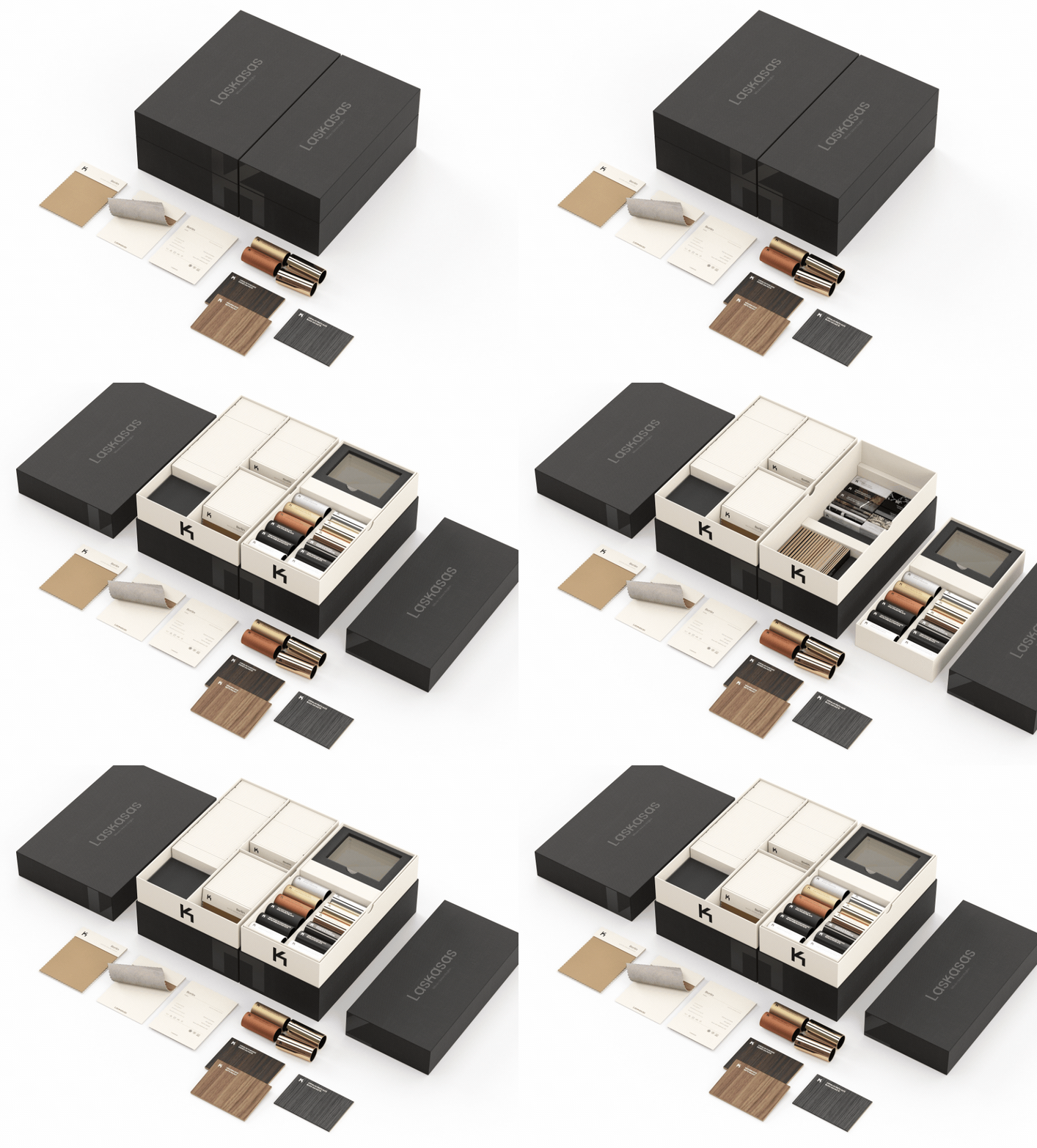
Defining a coherent material palette starts with understanding what is available and how different finishes interact with each other. The Laskasas sample kit is a great tool for professionals to test combinations and build specifications with confidence.
Precision Is What Sets a Project Apart
The difference between a good project and an exceptional one is rarely a single dramatic decision. It is the accumulation of precise, considered choices at every stage.
For professionals looking for furniture that goes beyond catalogue limitations, Laskasas offers a complete range built around full customisation: dimensions, fabrics, finishes and configurations tailored to each project's specific requirements.
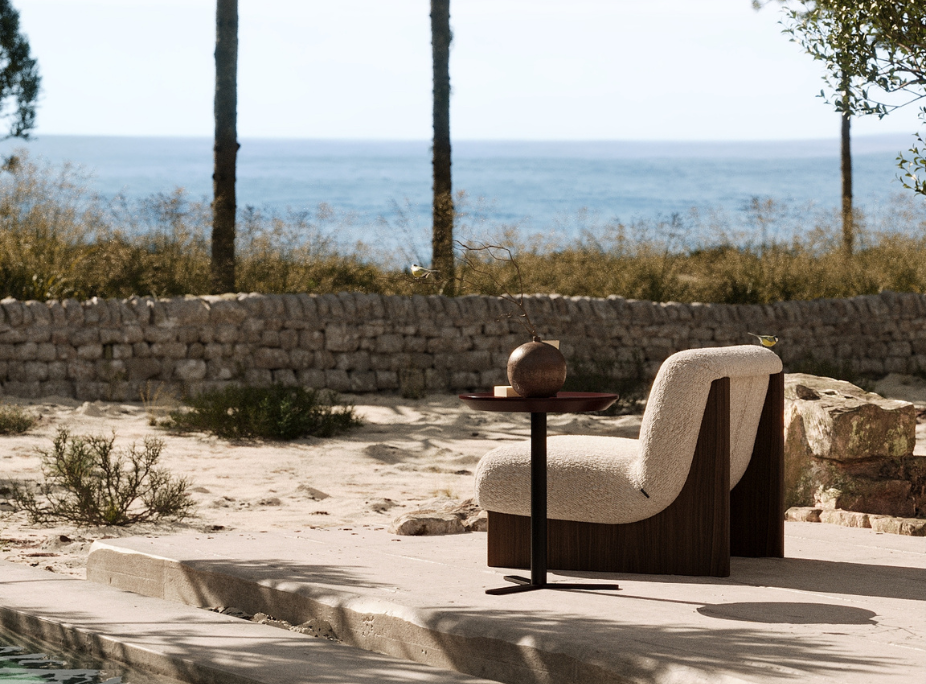
The right furniture for a demanding project isn’t always found on the standard catalogue. That’s why Laskasas offers a complete range with full customisation to professional worldwide.