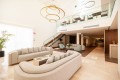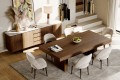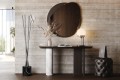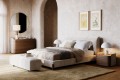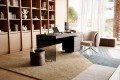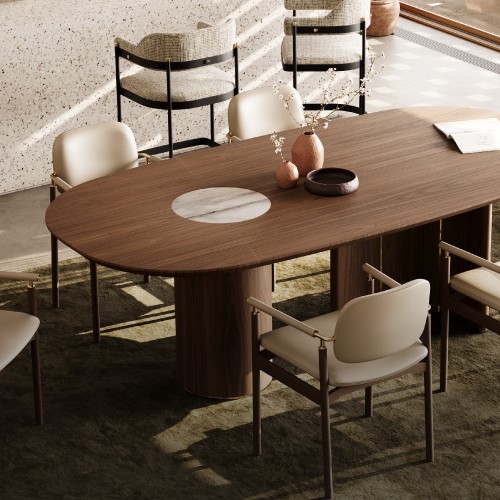
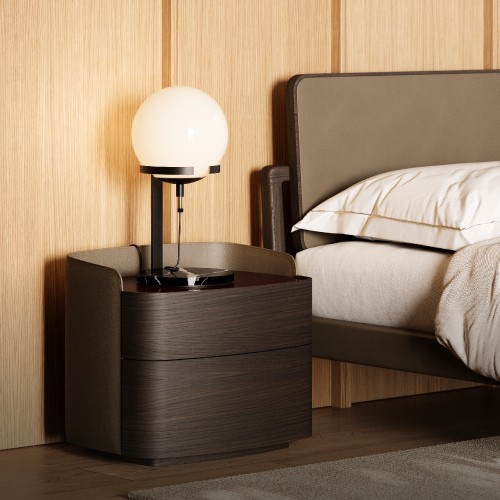
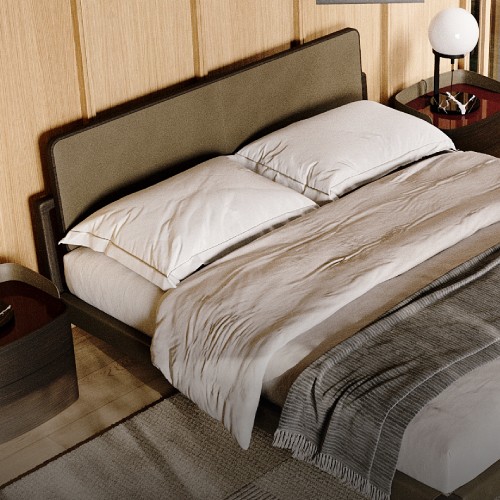
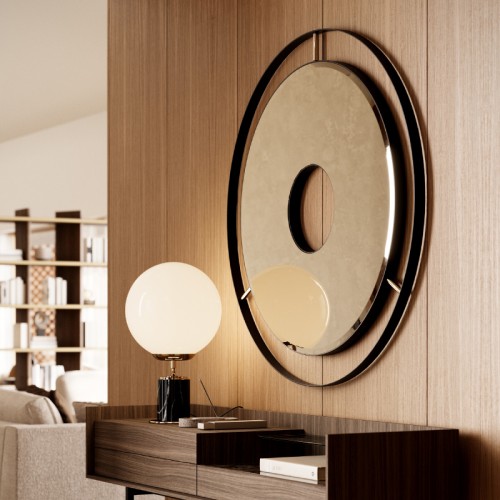
As we move towards 2026, showrooms are no longer just spaces to display furniture, they are strategic tools for storytelling, brand positioning, and lead generation. The good news? Updating your showroom doesn’t require a complete redesign. By rethinking how you present existing collections, materials, and layouts, you can create a fresh, contemporary experience that aligns with the latest interior design trends for 2026.
Discover practical ways to update your showroom using smart design strategies. These updates will help your showroom stay relevant and appealing to today’s design professionals.
Same Designs, Different Materials
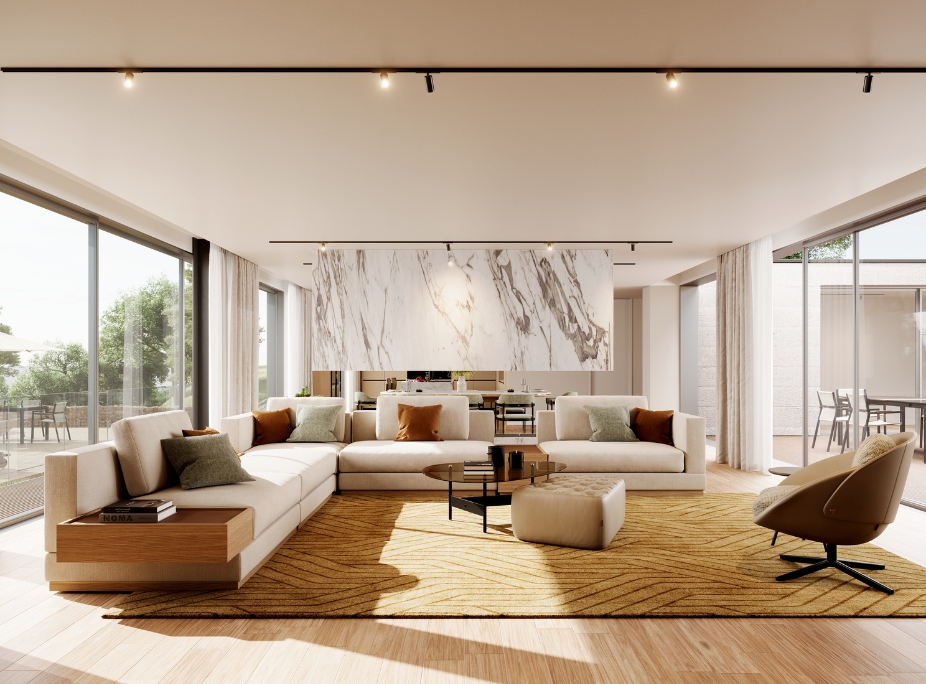
If a furniture piece continues to perform, there is no reason to replace it. Strong designs are timeless, what often needs updating is not the form, but the materiality.
Revamping existing pieces by changing fabrics, wood finishes, or marble options is an effective way to refresh a showroom while preserving its visual identity. A sofa upholstered in a new colour, a table reimagined with a different marble top can instantly feel relevant for 2026.
To make this approach successful, it is essential to work with a supplier who offers reliable customisation options, ensuring flexibility in materials and finishes while maintaining consistency in quality and design.
Play with Lighting
.jpg)
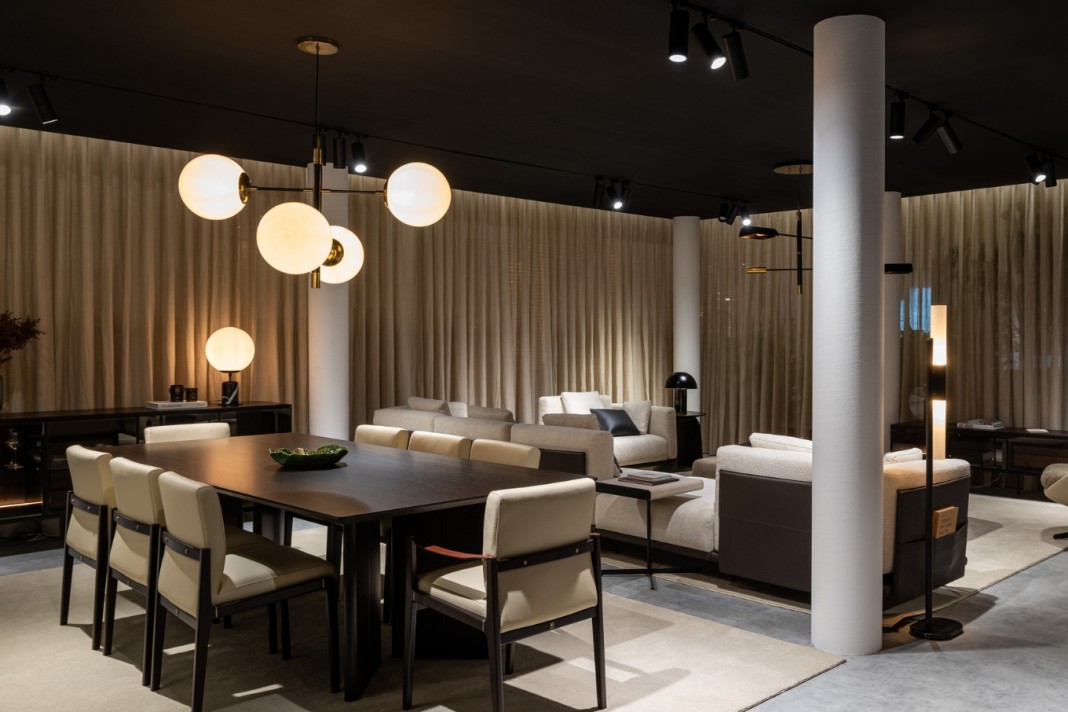
Lighting plays a fundamental role in how a showroom is perceived, influencing mood, focus, and the way materials and finishes are experienced.
By combining different types of lighting, you can create depth, guide visitors through the space, and highlight key pieces more effectively.
- Suspension lamps help define areas such as dining or meeting zones, drawing attention to specific furniture arrangements.
- Table lamps add warmth and intimacy, making displays feel more residential and approachable. Floor lamps are ideal for creating soft ambient light while reinforcing verticality and balance within a layout.
- Wall lamps, on the other hand, enhance architectural details and provide subtle accent lighting without occupying floor space.
When used together, these lighting solutions transform a showroom from a static display into a layered, immersive environment.
Modular and Flexible Furniture
.jpg)
Modular sofas are essential pieces in a modern showroom, as they demonstrate adaptability, scalability, and intelligent design. For showrooms, modular systems allow layouts to be easily reconfigured, helping teams present multiple compositions within the same space and adapt displays to different projects or room sizes.
For the final client, modular sofas represent long-term value by offering solutions that grow, change, and adjust over time. Whether adapting to a new space, a different lifestyle, or future design updates, modular furniture provides versatility without compromising aesthetics.
Showcasing modular sofas in a showroom helps communicate this flexibility clearly, making it easier for clients to envision tailored solutions for their own interiors.
Highlight Materials for Customisation Options
.jpg)
Having a dedicated area in the showroom to display materials is essential for a seamless and efficient client experience. By presenting fabric samples, wood finishes, marbles, and other materials in a clear and organised way, clients can easily explore customisation options and make decisions on-site.
This approach simplifies the selection process, reduces uncertainty, and helps clients visualise the result more confidently. For designers and specifiers, immediate access tomaterial options speeds up approvals and supports more informed choices.
Updating your showroom for 2026 it’s about making strategic, thoughtful changes that enhance the experience for both clients and design professionals.
From refreshing classic pieces with new materials, to layering lighting, showcasing modular furniture, and highlighting customisation options, every element works together to create a showroom that is flexible, inspiring, and future-ready.