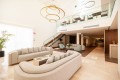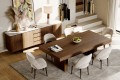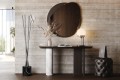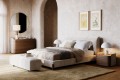
This blog post delves into the key furniture design trends set to shape 2026, providing insights to guide your projects, inspire your clients, and keep your practice at the cutting edge of interior innovation.
Sustainable and Responsible Design

Architects and interior designers are increasingly looking for furniture that minimises environmental impact while maintaining style and quality.
Recycled and upcycled materials: Furniture made from reclaimed wood, repurposed metals, and recycled fabrics.
Circular design principles: Pieces designed for easy disassembly and reuse, promoting durability and reducing waste.
Carbon-neutral production: Brands embracing sustainable processes, energy-efficient manufacturing, and low-impact logistics.
Natural and Authentic Materials

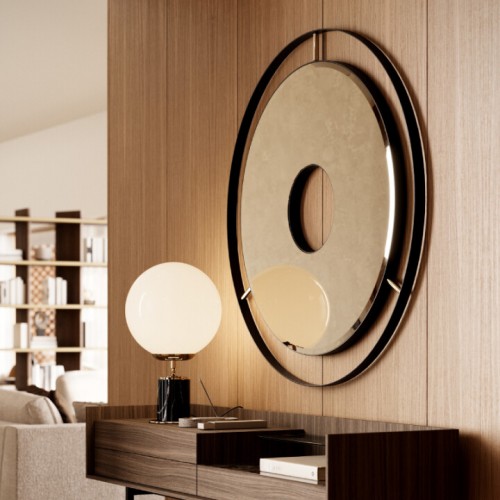
Designers are turning to materials that convey warmth, authenticity, and a strong connection to nature. Interiors are increasingly highlighting tactile surfaces and organic textures, crafting spaces that feel inviting and lived-in.
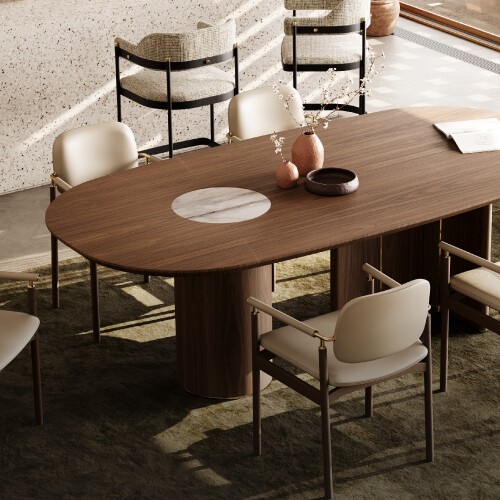
Warm woods: Oak, walnut, and ash used in furniture and cabinetry.
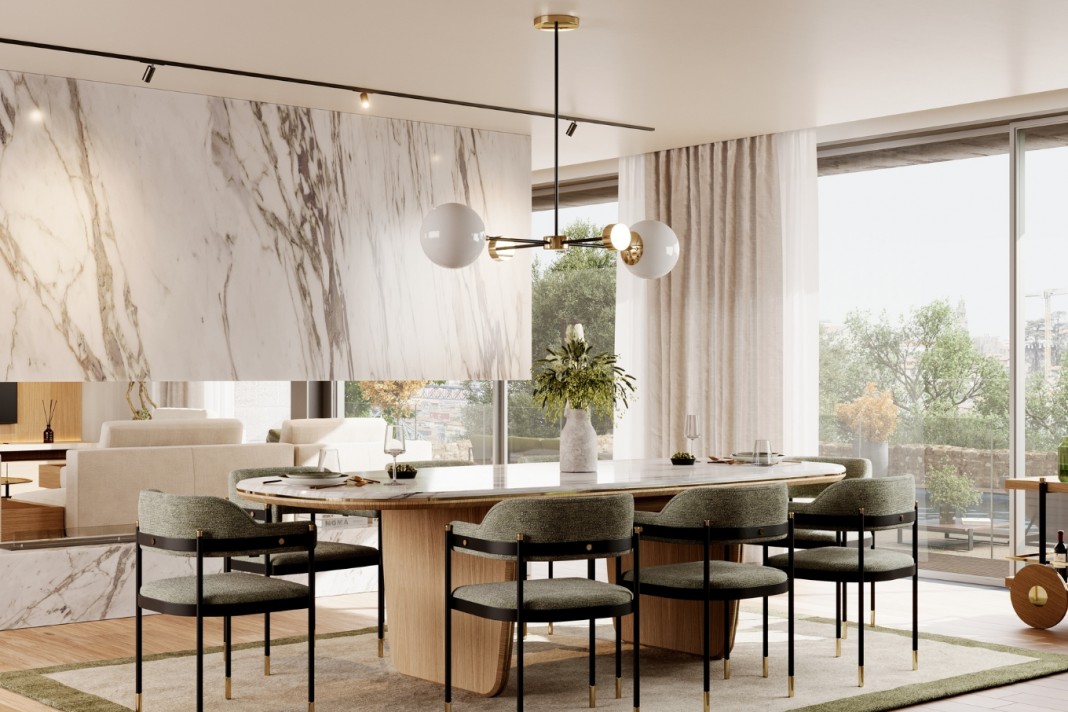
Stone and marble accents: Elegant surfaces for tabletops, shelving, and feature walls.
Natural textiles: Linen, cotton, jute, and wool for upholstery and soft furnishings.
Modular and Multi-Functional Furniture

The growth of hybrid work setups, compact city living, and adaptable commercial spaces has increased the demand for modular and multifunctional furniture.
Modular sofas and seating: Systems that easily adjust to changing layouts.
Adaptable shelving and storage: Solutions suited for both residential and commercial spaces.
Transformable furniture: Pieces designed for co-living, office, and hospitality environments.
Tech-Integrated Furniture

Smart furniture is becoming essential in contemporary interiors, effortlessly blending practicality with style.
Wireless charging integration: Desks, coffee tables, and sideboards equipped for convenient charging.
Adjustable built-in lighting: Designed for both task-focused and ambient illumination.
Eco-friendly tech solutions: Energy-efficient and recyclable electronic components.
Customisation and Personalisation

Clients are increasingly seeking furniture that showcases their personal style while staying practical and efficiently produced.
Customisable dimensions and modular components: Furniture that adapts with convertible forms.
Extensive range of materials:A variety of fabrics, finishes, and colors to choose from.
Personalised design details: Accents tailored to complement specific project themes.
For interior professionals, architects, and designers, staying informed about these trends is crucial for crafting interiors that align with contemporary lifestyles and client expectations. The furniture design trends of 2026 highlight sustainability, versatility, and the seamless incorporation of technology—while maintaining beauty, comfort, and personal expression.