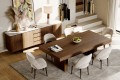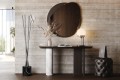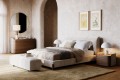
Japandi has become one of the most enduring design languages in contemporary interiors.
This style creates a unique, timeless and harmonious aesthetic that is both calming and inviting. It relies on clean lines, neutral colours, and natural materials, with an emphasis on simplicity and functionality.
What Is Japandi Style?
Japandi interior design is a hybrid style that combines the minimalist elegance of Scandinavian design with the timeless beauty of Japanese aesthetics. It is a perfect blend of two distinct cultures that share a common love for simplicity, natural materials, and a peaceful ambience.
Japandi interior design is all about creating a harmonious living space that promotes serenity, tranquillity, and balance.
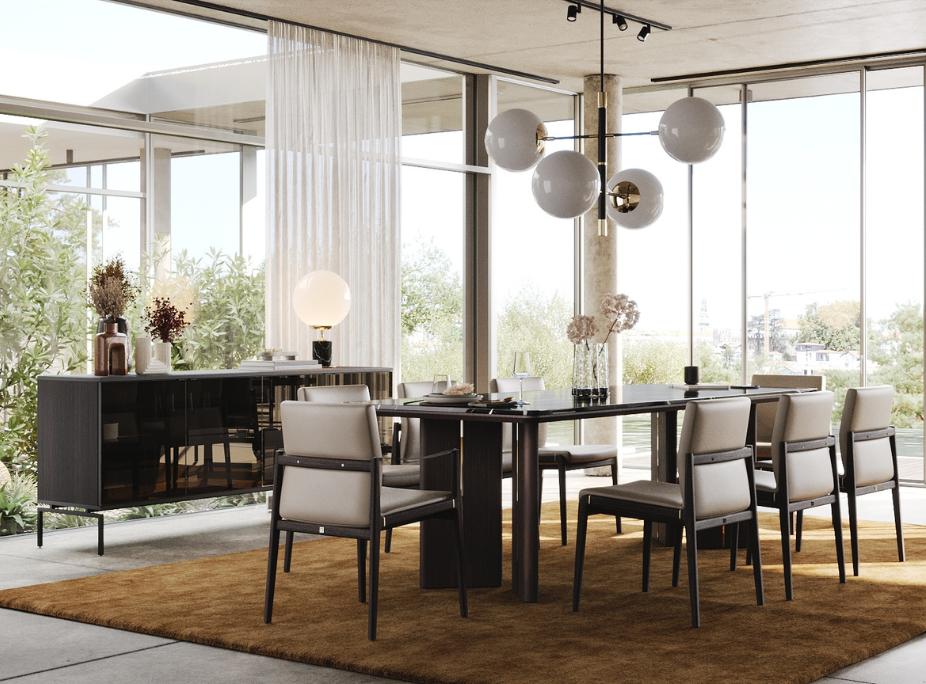
The Japanese Foundation: Wabi-Sabi and Ma
At the heart of Japandi lies the concept of "wabi-sabi", the Japanese philosophy that celebrates imperfection, simplicity, and authenticity. It values the beauty of natural materials and the marks of age as a testament to an object's history and character.
From Japanese aesthetics, Japandi also inherits the concept of "ma": the appreciation of empty space as a decorative element in itself, an invitation to calmness and contemplation.
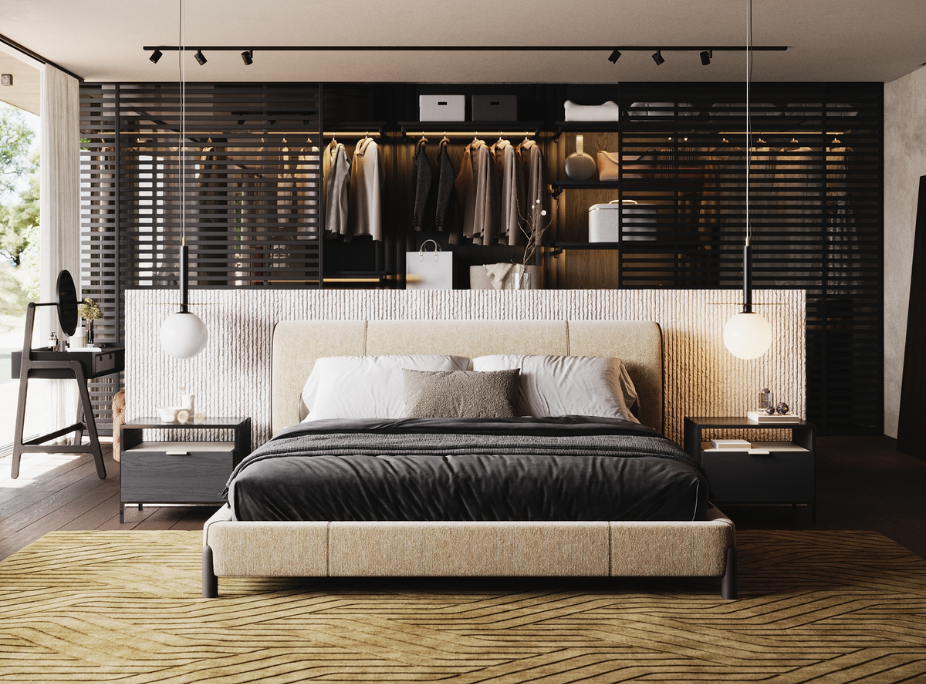
The Scandinavian Contribution: Hygge and Lagom
Scandinavian design brings two complementary forces to Japandi. Firstly, we have "hygge", from Denmark, which describes a lifestyle that encourages the use of all the senses to fully enjoy life’s simple pleasures. It is a concept that emphasises wellbeing, comfort, and cosiness, found in the simplest moments of everyday life.
Then, we have "lagom", the Swedish principle of seeking consensus without standing out from others, of finding balance, proportion, and equilibrium in subtlety.
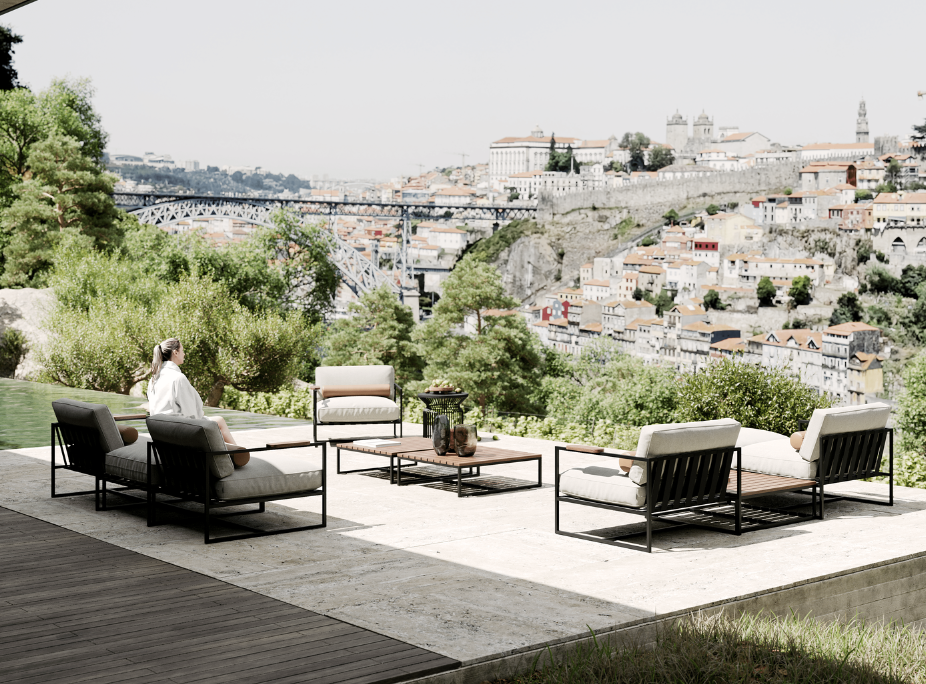
The Core Principles of Japandi Interior Design
1. Intentional Minimalism
Japandi minimalism is not about emptiness, it is about curation. Every element is present because it earns its place through function, material quality or its contribution to the space. This matters when briefing clients who associate minimalism with coldness.
2. Natural Materials
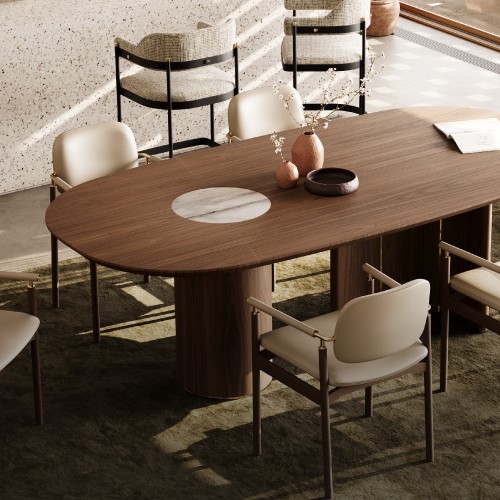
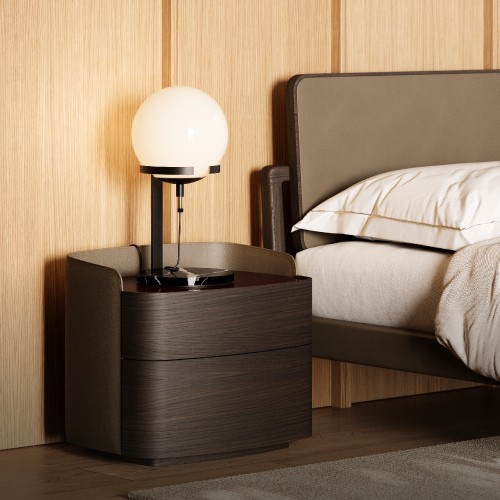
Wood, stone, bamboo, linen and handcrafted ceramics form the primary vocabulary of Japandi interior design. Darker walnut and oak tones bring warmth and depth. Stone and ceramic introduce tactile contrast. Linen and raw cotton soften harder edges.
In our Materials and Finishes catalogue you can take a look at the full range of finishes available.
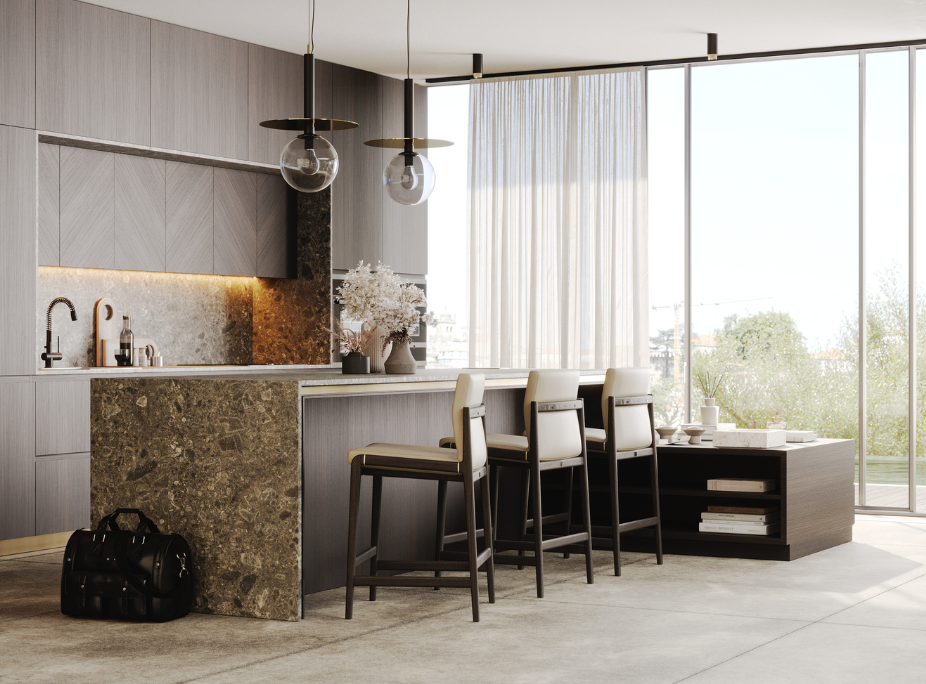
3. Furniture: Form and Function
Japandi furniture is defined by clean geometry, low profiles and the absence of intricate ornaments. The tension between Scandinavian light wood and Japanese darker finishes is one of the most distinctive elements to specify.
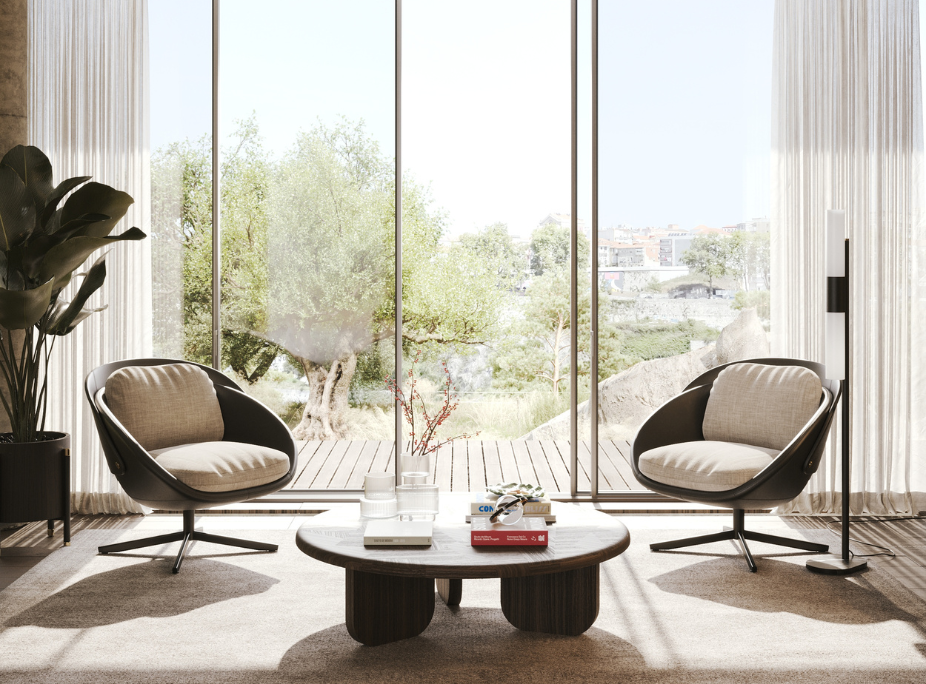
4. Biophilic Elements and Natural Light
Indoor plants are essential design elements in Japandi. A sculptural bonsai, a trailing plant at mid-height, and a considered ceramic pot are some ways to add them to the decor.
Natural light is just as important. Where possible, window treatments are minimal or absent.
5. Soft Textures and Tactile Layering
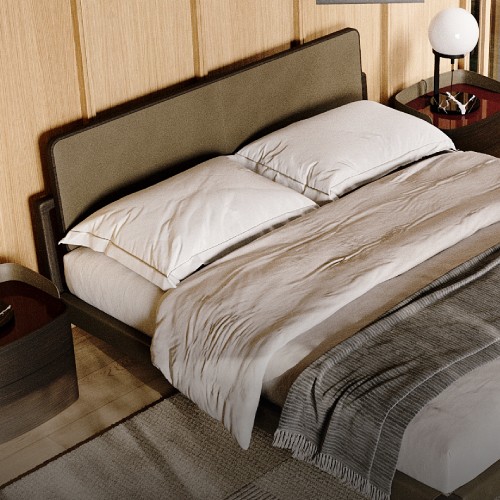
Texture is what prevents a Japandi interior from reading as cold. Wool throws, linen cushions, a hand-woven rug, a rough stone surface alongside a smooth ceramic piece: each layer adds depth without visual noise. When specifying textiles, weight, weave and handle often matter more than tone alone.
6. The Value of Craftsmanship
Both Japanese and Scandinavian traditions place high value on handmade work. In Japandi, this means a preference for pieces where craft is visible, with imperfect and unique details.
These imperfections can be the grain of the wood, the variation of a hand-turned ceramic, or the weave of a linen fabric.
7. Material and Colour Contrast
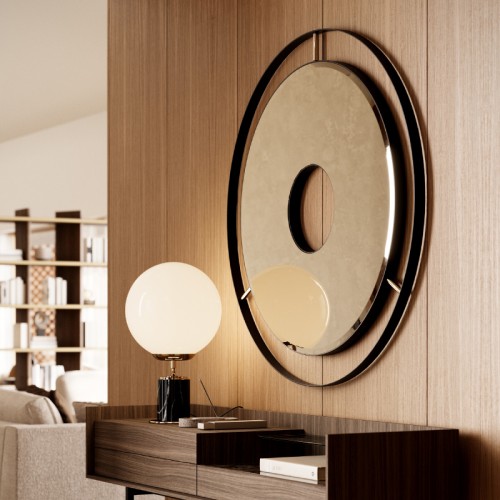
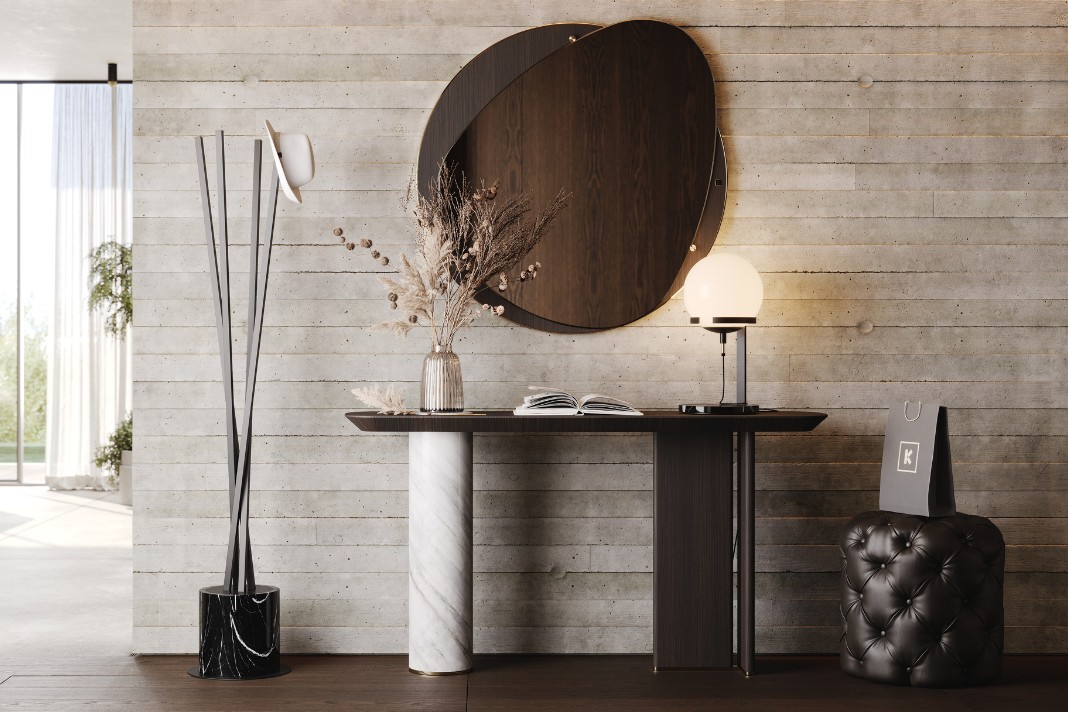
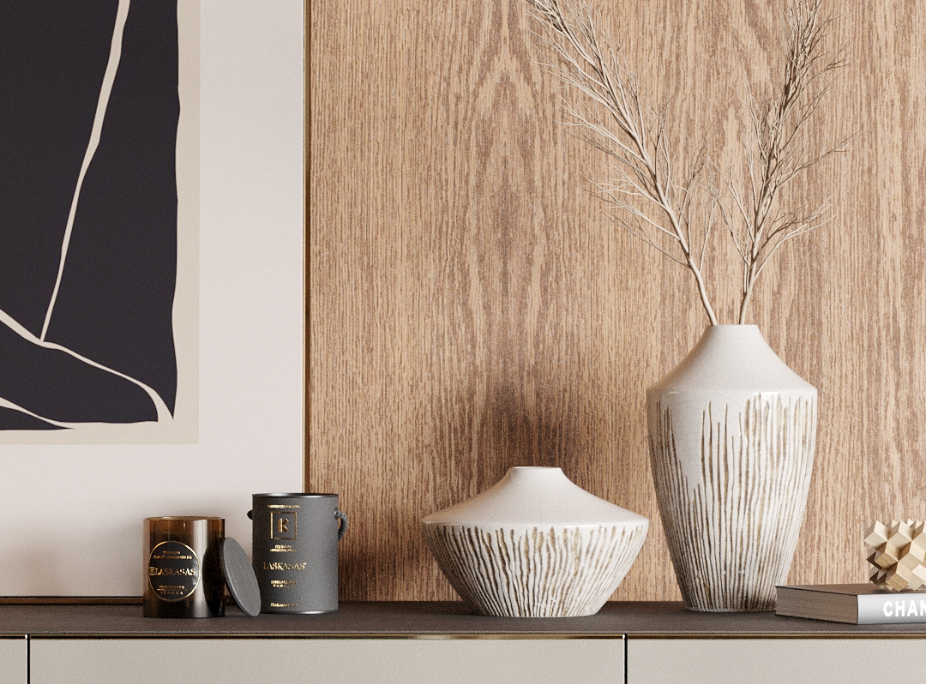
One of the most defining characteristics of Japandi is the deliberate tension between opposites. Scandinavian light woods alongside Japanese darker finishes, rough stone surfaces next to smooth ceramics, warm earthy tones balanced with cooler neutrals. This contrast is not accidental. It is what gives the style its visual depth and prevents a well-curated space from reading as flat or one-dimensional.
8. A Refined Colour Palette
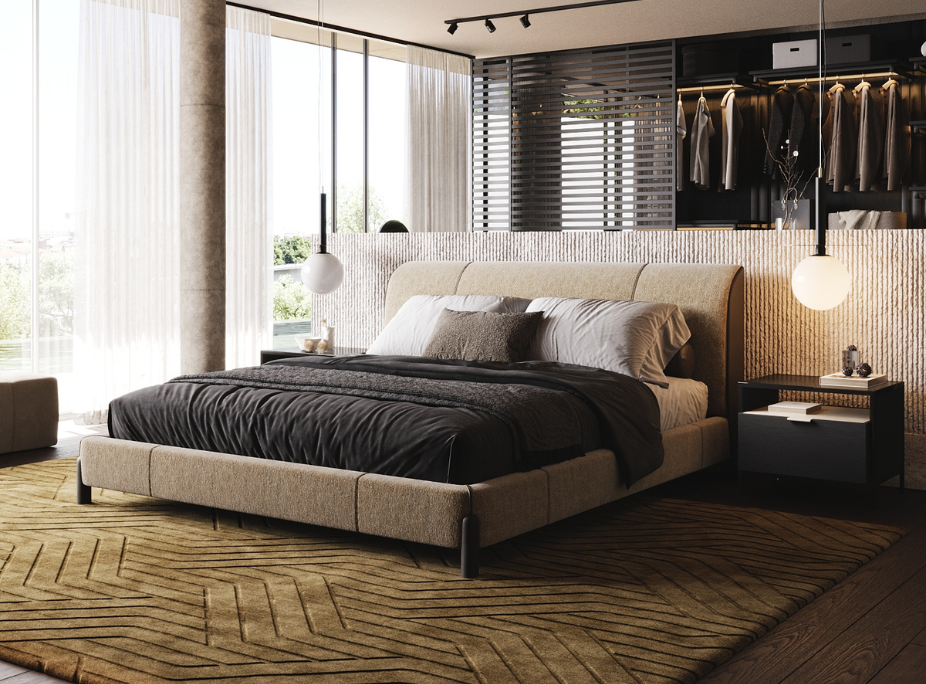
The Japandi palette sits in warmer territory than it is often presented in. We find warm beige, off-white, dusty sage, muted terracotta and warm grey, with charcoal as a grounding accent. Deeper olive and burnt clay tones work well for autumn and winter projects.
Bringing Japandi Into Your Projects
Japandi endures because it values craftsmanship and what is made well. At Laskasas, every piece is handmade to order with full customisation of dimensions, materials and finishes. It is the kind of attention to detail the style demands.
Explore the full collection at laskasas.com or visit one of our showrooms. If you’re a design professional looking for dedicated support, learn more about our Trade Programme.