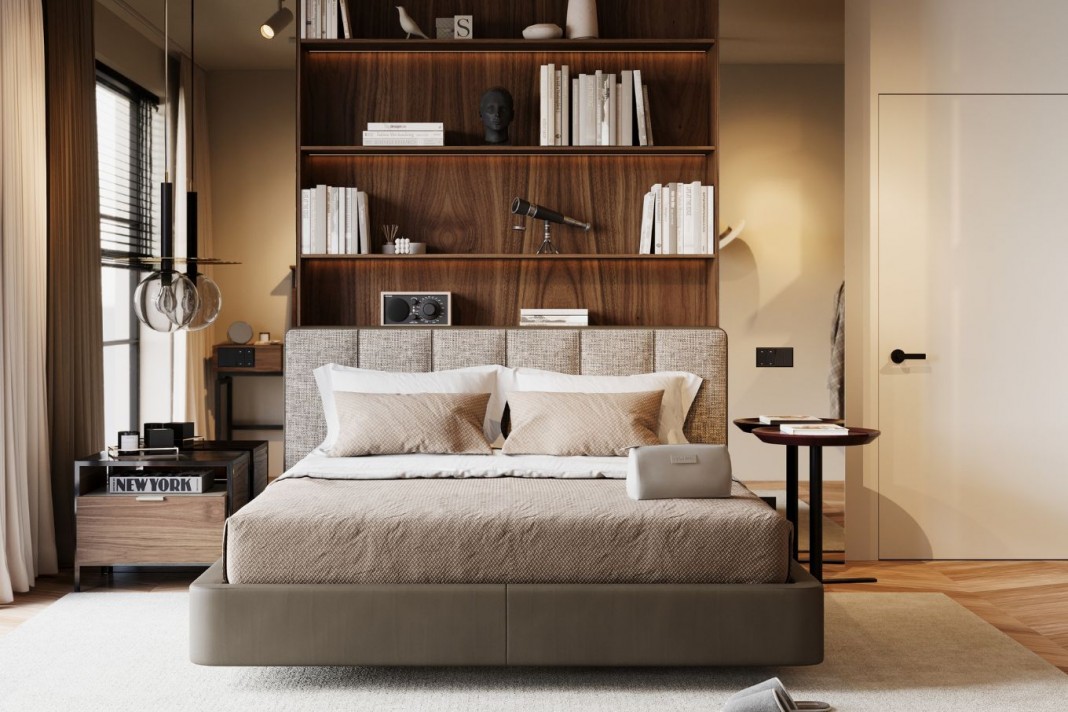
As urban living continues to redefine the way we inhabit space, compact interiors are no longer an exception. From city apartments and hospitality suites to contemporary co-living projects, designers are increasingly challenged to deliver functionality, comfort, and aesthetic sophistication within limited square meters.
Designing for compact spaces it’s about precision. It demands a thoughtful balance between proportion, versatility, and visual harmony.
Every piece must serve a purpose.
Every layout decision must enhance flow.
Every material choice must contribute to the perception of openness.
For interior professionals, the opportunity lies in transforming spatial constraints into design intelligence. Through strategic furniture selection, vertical thinking, visual lightness, and subtle zoning techniques, compact interiors can feel curated, efficient, and remarkably refined.
Multi-Functional Furniture as a Design Strategy
Multi-functionality should not be treated as a space-saving trick, but as a deliberate design strategy. When square meters are limited, furniture must work harder not only functionally, but aesthetically. The goal is to select pieces that intelligently adapt to the evolving needs of the space while preserving visual harmony.
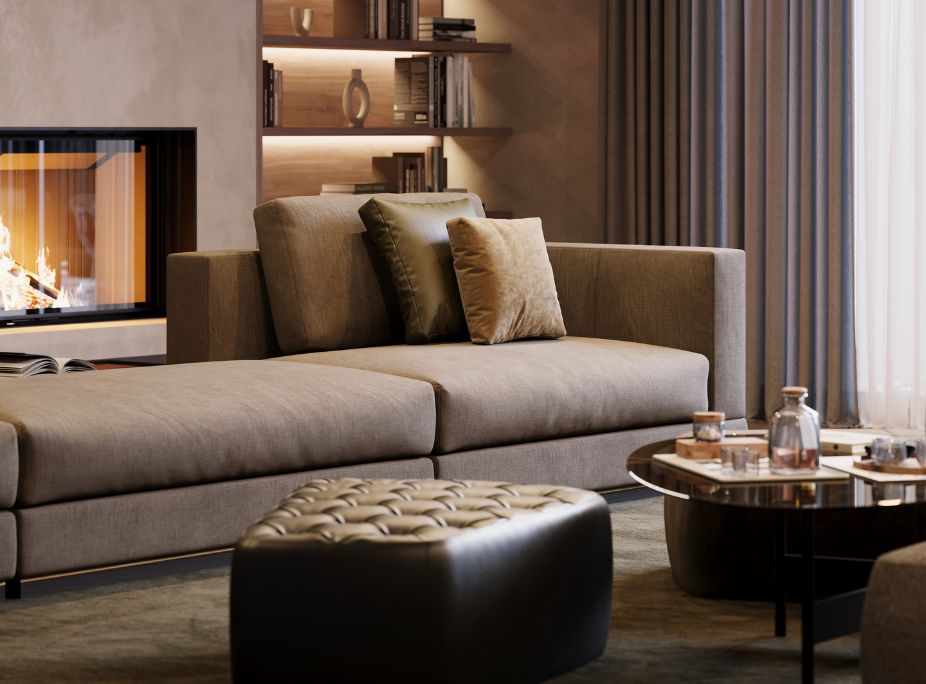
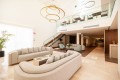
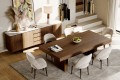
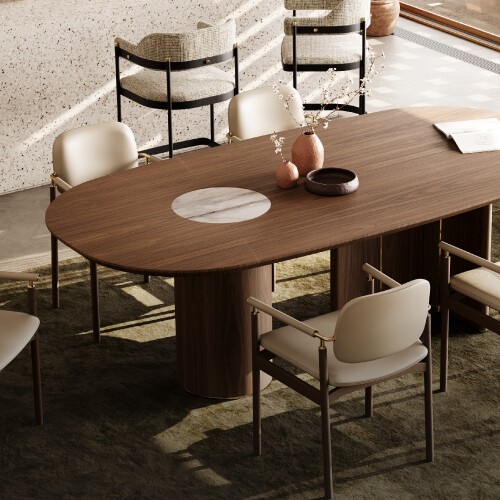
Modular sofas that can be reconfigured for different layouts, extendable dining tables that transition seamlessly from everyday use to entertaining. They are high-performance design solutions. Even consoles that transform into workstations allow living areas to shift function throughout the day without disrupting the overall composition.
Each piece must maximise usability, maintain aesthetic integrity, and contribute to a clean, intentional layout. In small spaces, every element must justify its footprint, not just by occupying space, but by elevating it.
Vertical Thinking: Designing Beyond the Floor Plan
When floor space is constrained, vertical surfaces become strategic design assets, offering storage, structure, and visual impact without increasing the footprint.
.jpg)
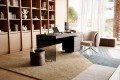
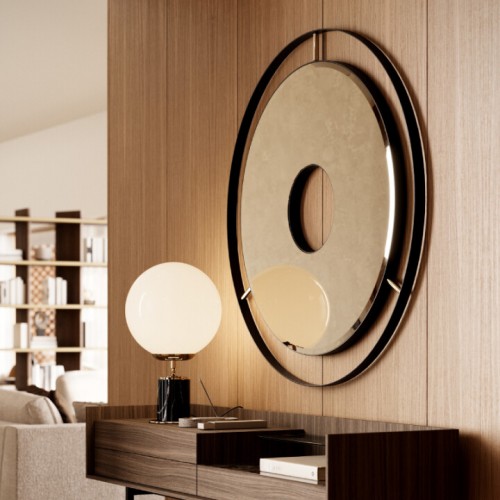
Shelving systems, tall cabinets with concealed storage, and integrated wall units allow designers to maximise capacity while maintaining a clean, streamlined aesthetic. When thoughtfully detailed, vertical storage solutions reduce visual fragmentation and enhance spatial organisation. Complementing these elements with layered lighting further elongates walls and reinforces a sense of height.
Drawing the eye upward increases perceived openness and architectural presence. This means approaching walls not as passive boundaries, but as functional, performance-driven surfaces.
Visual Lightness & Material Intelligence
A piece may fit perfectly within a floor plan yet still overwhelm the space if it feels dense or visually heavy. Creating a sense of openness requires careful attention to silhouette, proportion, and materiality - elements that influence how furniture is perceived within its surroundings.
.jpg)
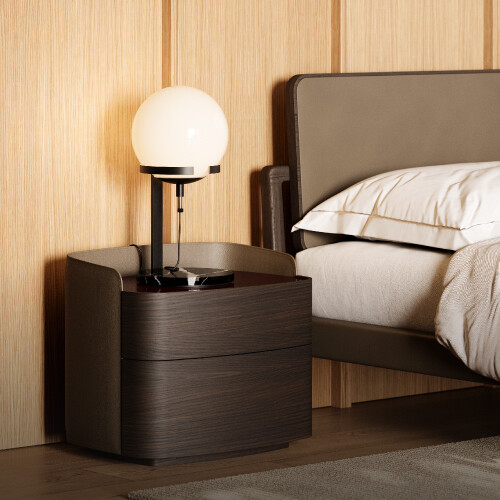
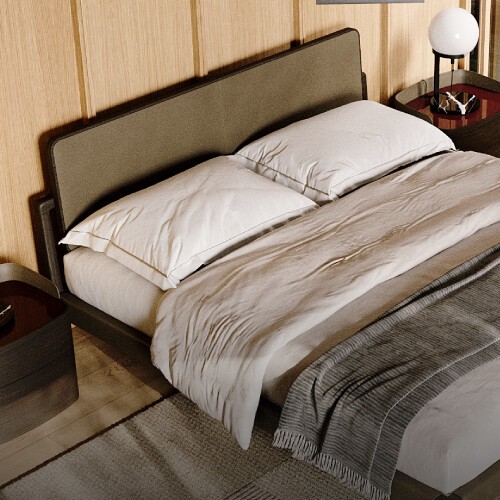
Slim profiles, refined lines, and elevated bases allow light to flow beneath and around each piece, reducing visual density and enhancing spatial continuity. The use of glass, metal accents, and subtly reflective surfaces further amplifies natural and artificial light, helping interiors feel brighter and more expansive. Tonal palettes also contribute to a seamless visual rhythm, preventing fragmentation and supporting a cohesive atmosphere.
When furniture allows light to pass under or through it, the room breathes more easily. This reinforces an essential principle: material selection is a spatial strategy. In compact projects, every finish and form play a role in shaping perception, comfort, and balance.
Smart Zoning Without Walls
Compact interiors rarely serve a single purpose. Living, working, dining, and relaxing often coexist within the same open layout, requiring designers to create clarity without compromising fluidity. In these contexts, zoning becomes essential through subtle spatial cues that guide movement and define function.
.jpg)
Rugs can delineate areas with precision, visually anchoring living or dining spaceswithin a broader plan. Strategic lighting layers, combining ambient, task, and accent lighting, further reinforce these distinctions while adding depth and atmosphere. Thoughtful sofa placement, particularly when used as a central anchor, can naturally divide areas and establish circulation paths without interrupting openness.
Effective zoning enhances usability while preserving visual continuity and light flow. The principle is simple yet powerful: define, don’t divide.
By embracing multifunctional pieces, leveraging vertical potential, prioritising visual lightness, and defining zones without physical barriers, professionals can transform spatial constraints into design opportunities. The result is not simply a smaller space that works, but one that feels curated, fluid, and thoughtfully composed.
With the right solutions, limited square meters can deliver maximum sophistication, comfort, and functionality.